Consortium
The Geochemistry of Impacts (GEDI) research team at LSCE (PI: Olivier Evrard, France), has become a worldwide leader of the use of fallout radionuclides to reconstruct soil erosion processes during the Anthropocene and for dating sediment archives to this end. Original multi-proxy techniques (e.g., fallout radionuclides, elemental and isotopic geochemistry, sediment core scanning, environmental DNA) are also being developed to identify and quantify sediment source contributions in contrasted environments, which relies on the availability of cutting edge laboratory facilities in the framework of the PANOPLY platform of University Paris-Saclay
The Department of Soils and the Graduate Program in Soil Science (PPGCS) of the Federal University of Santa Maria(UFSM; PI: Jean Minella, Brazil) has been involved with research in soil science since the early 1970s. Soil and Water Conservation is one of the three research and teaching priorities. In this context, the Interdisciplinary Research Group on Erosion and Surface Hydrology of the Federal University of Santa Maria (GIPEHS-UFSM) develops original research on monitoring and environmental modelling in catchments, with an emphasis on advanced techniques of sediment tracing and mathematical modelling of erosion in catchments, soil conservation and hydrology. The group monitors multiple catchments in the southernmost region of Brazil in order to assess the impact of agriculture on water resources.
The Graduate Program in Meteorology (PPGMet) of the Federal University of Santa Maria (UFSM; PI: Lidiane Buligon, Brazil) conducts research in the areas of weather and climate studies, with applications in micrometeorology. The PI researcher is also a member of the Interdisciplinary Research Group on Erosion and Surface Hydrology of UFSM (GIPEHS-UFSM), contributing to investigations on the quantitative modelling of atmospheric, hydrometeorological, and hydrosedimentological processes. The research integrates mathematical, computational, and statistical methods to investigate the impacts of extreme precipitation events on soil degradation and water resources, with emphasis on sediment tracing (fingerprinting approach).
Created in 1969, the Soils Department of the Agronomy College of Universidade Federal do Rio Grande do Sul/UFRGS (PI: Tales Tiecher and Claudia Peixoto de Barros, Brazil) has developed, over the years, research in the most diverse areas of knowledge in soil science. The Graduate Program in Soil Science (PPGCS) of UFRGS has been involved with research in Soil Science since 1965 with Master’s degree, and in 1987 with Doctorate degree. The main goal of the programme is to train qualified personnel for teaching, research and technological development activities in soil science and its dissemination, besides of the internationalization. Recently, in 2018, with the creation of the research group in environmental biogeochemistry – Interdisciplinary Research Group on Environmental Biogeochemistry – IRGEB, research at the catchment scale, involving monitoring techniques, modelling of erosion and surface runoff, as well as tracing has received increased interest.
The Gravity Risks and Instabilities Unit of the Bureau de Recherches Géologiques et Minières (BRGM; PI: Olivier Cerdan, France) has been strongly working in collaboration with LSCE during the last decade. The unit develops original hydro-sedimentary models (including the WaterSed model – – that will be deployed in CELESTE Lab and which have already been successfully tested in the Brazilian conditions by the UFSM team) at the scale of small and large catchments.
In Uruguay, the Nuclear Research Center (CIN) was created in 1966 under an agreement between the University of the Republic (UdelaR, PI: Marcos Tassano) and the National Atomic Energy Commission (which was also founded by the UdelaR). When the Faculty of Sciences was created in 1990, the CDC of the UdelaR decided to incorporate the CIN as an institute of the new faculty. The CIN is the only nuclear infrastructure in Uruguay and its mission is to carry out basic and applied research; teaching at the curricular and postgraduate levels, both nationally and internationally; training of human resources through internships, master’s and doctoral programs; extension and services. The Radiochemistry laboratory (CIN), is dedicated since 2010 to research on the use of fallout radionuclides in order to reconstuct the impacts of human activities on soil erosion. The collaboration between Uruguay and LSCE and Brazil was stimulated by scientific visits funded by the IAEA Latin America technical cooperation programme and the Southern Cone workshop organised by UFSM in in 2018.
The Institute of Plain Hydrology “Dr. Eduardo Jorge Usunoff” [IHLLA](Consejo Nacional de Investigaciones Científicas y Técnicas; CONICET, Argentina; PI: Maria Guadalupe Ares) has been established to carry out research, transfer, innovation, teaching and consultancy in water resources. Its main thematic areas are: ground and surface hydrology, environment and pollution, remote sensing and GIS, hydroecology and water resources management. The IHLLA also created and manages a network of climate, surface and groundwater hydrology measurement and the associated databases in the Azul stream basin.
The School of Agriculture of the University of Buenos Aires (UBA; Argentina; PI: Prof. Celio Chagas) has a main objective, i.e. to lead the generation, circulation, distribution and application of agronomic knowledge (scientific, technological and technical) in its own space in the interaction between the social system and the natural system, assuming sustainability and ethical principles as the guiding principles of its actions.
Coordinators
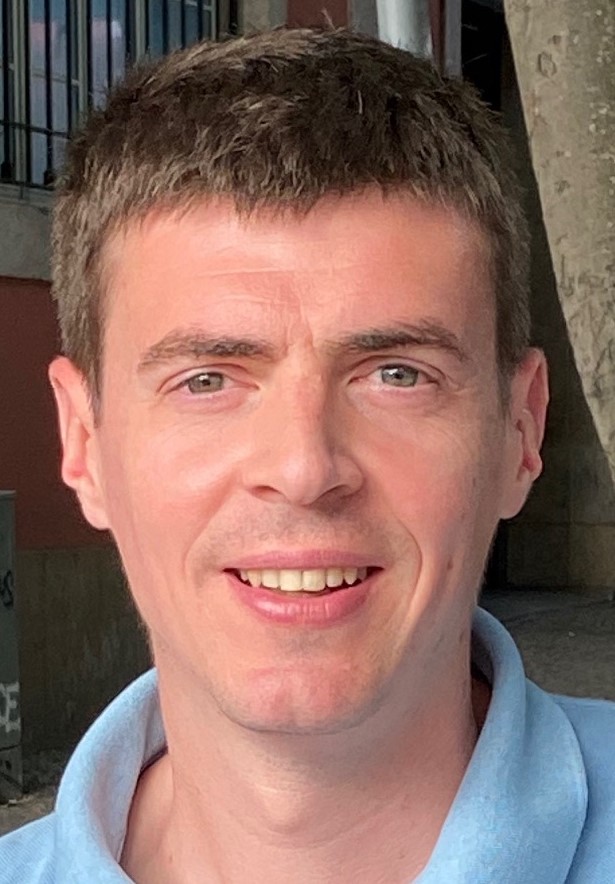
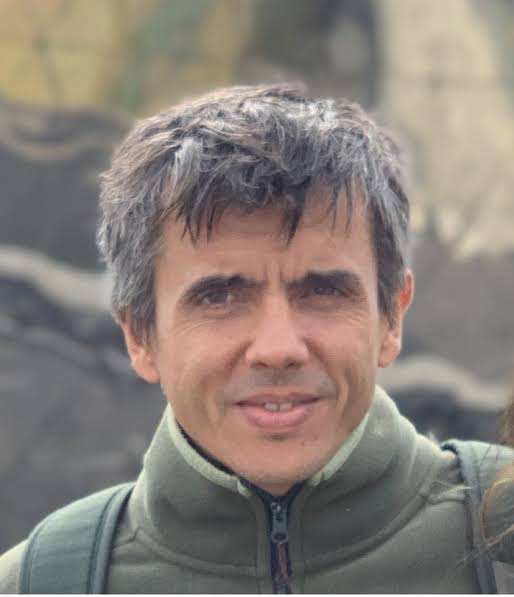
Researchers
France
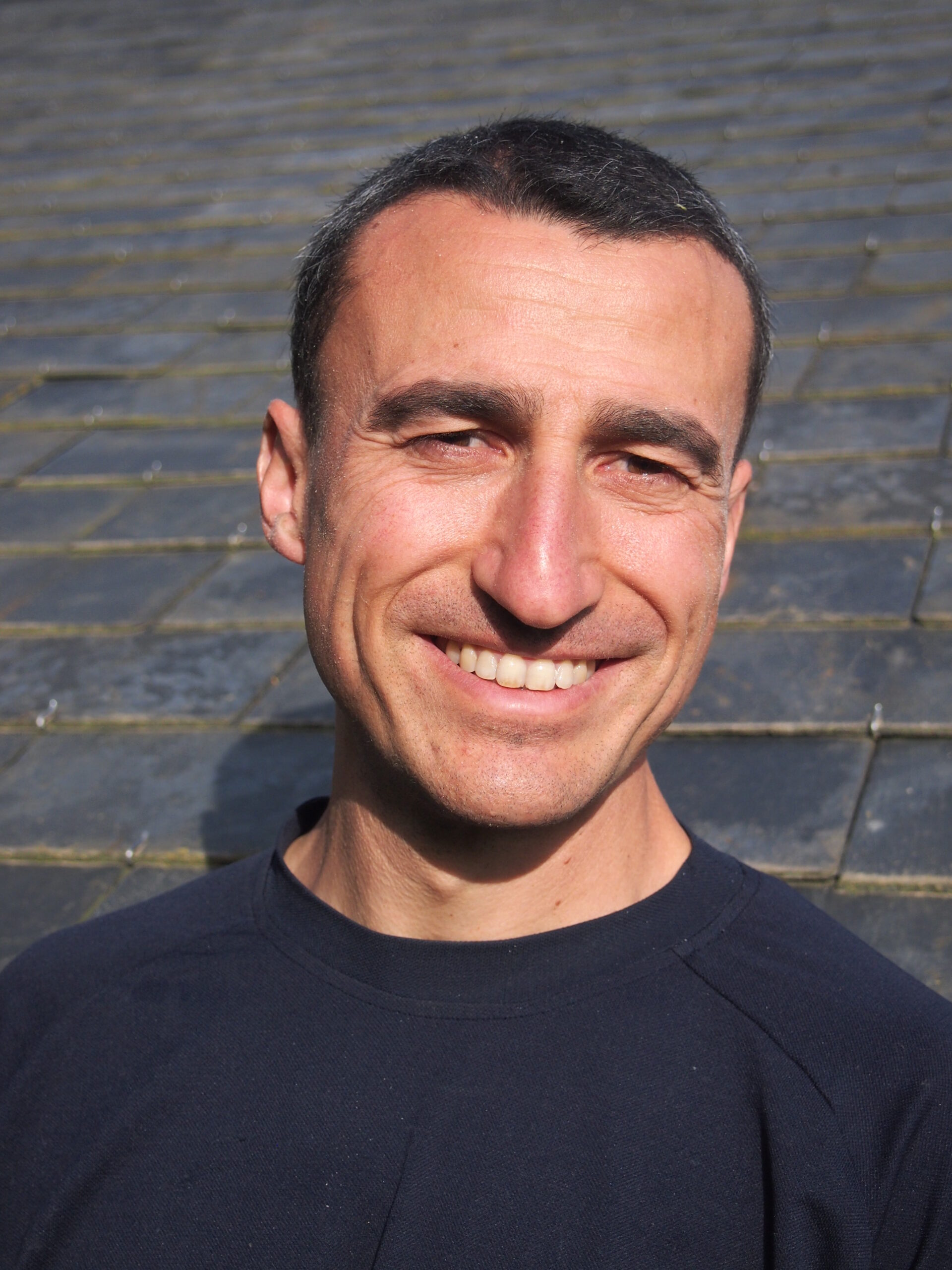
Olivier CERDAN
BRGM
Erosion modeller
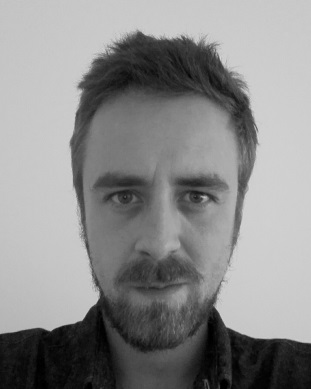
Pierre-Alexis CHABOCHE
LSCE
Radiochronologist
Rosalie VANDROMME
BRGM
Erosion modeller
Brazil
Claudia BARROS
UFRGS
Soil conservation
Tales TIECHER
Embrapa
Soil chemistry
Argentina
Uruguay
Mirel CABRERA
UdelaR
Radiochronologist
Guillermo CHALAR
UdelaR
Limnologist
Andres QUINCKE
INIA
Agronomist
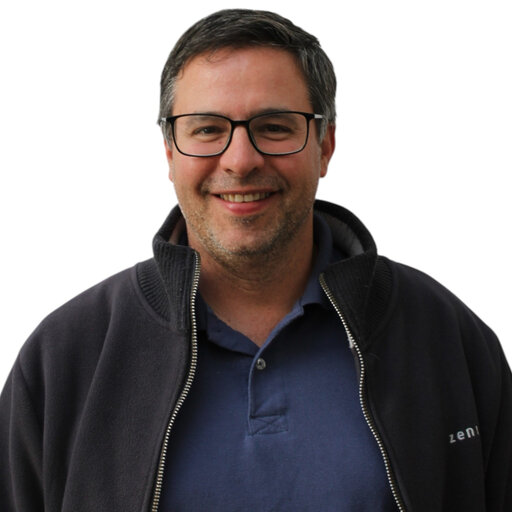
Marcos TASSANO
UdelaR
Radiochronologist
PhD students
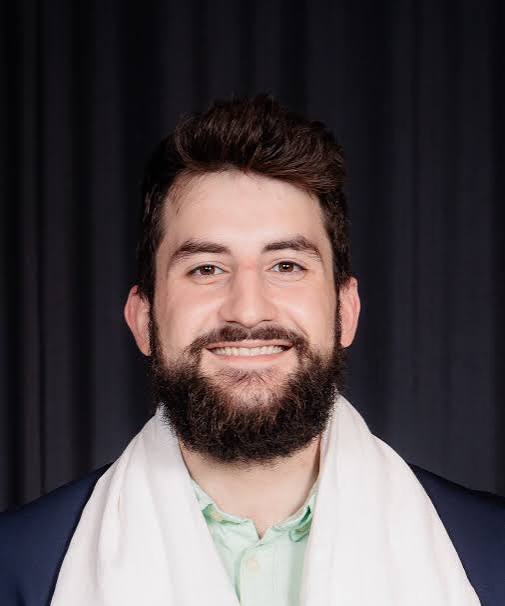
Emely D’ANDREA
INIA/UdelaR
Uruguay
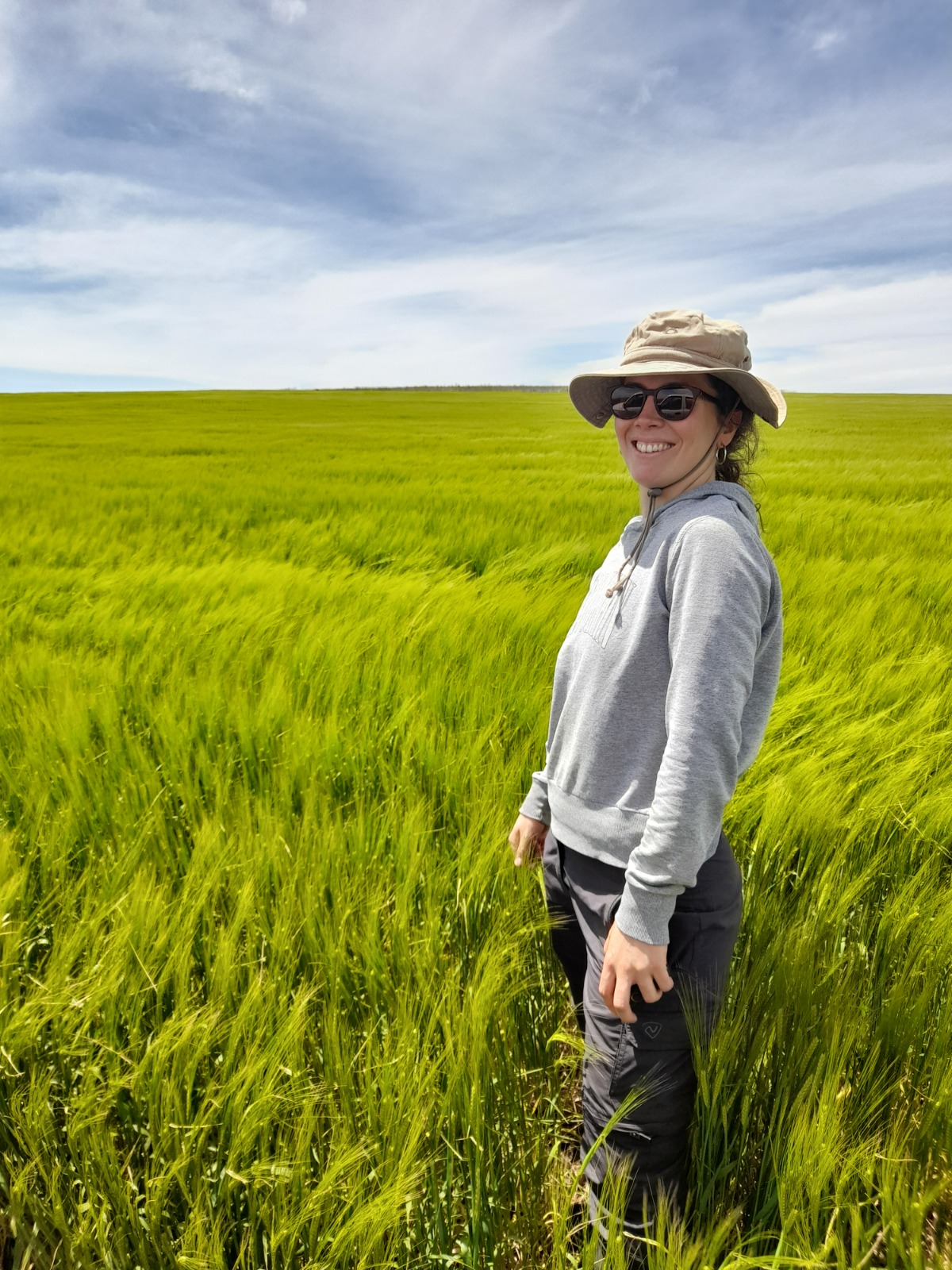
Camila AILEN GREGORINI
CONICET
Argentina
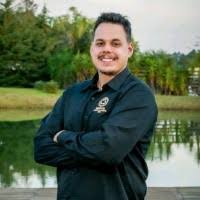
Gabriel SULZBACH PEREIRA
UFSM
Brazil
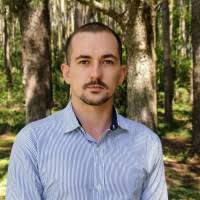
Elzon RIPPEL
UFSM
Brazil
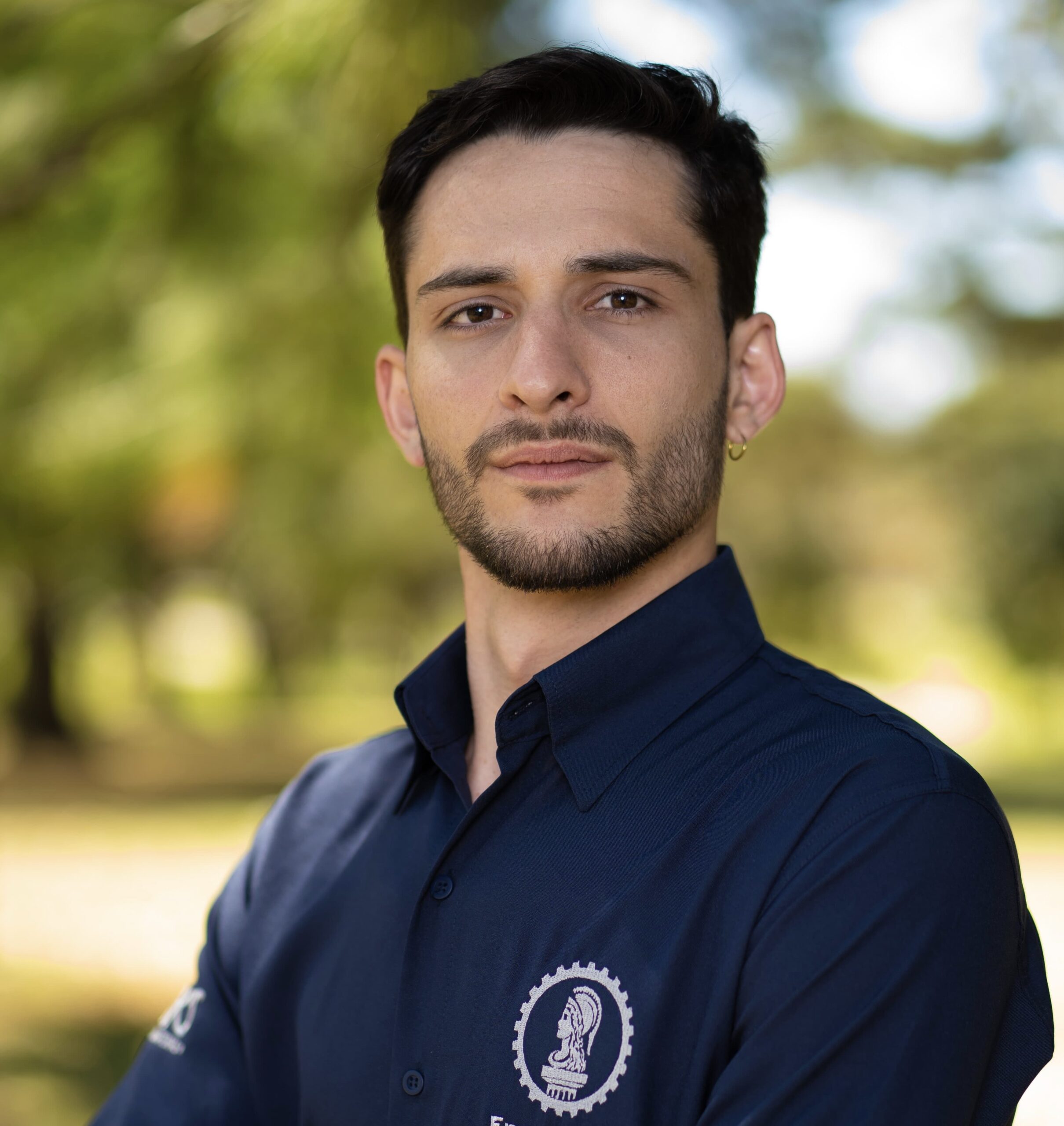
Néverton SCARIOT
UFSM
Brazil
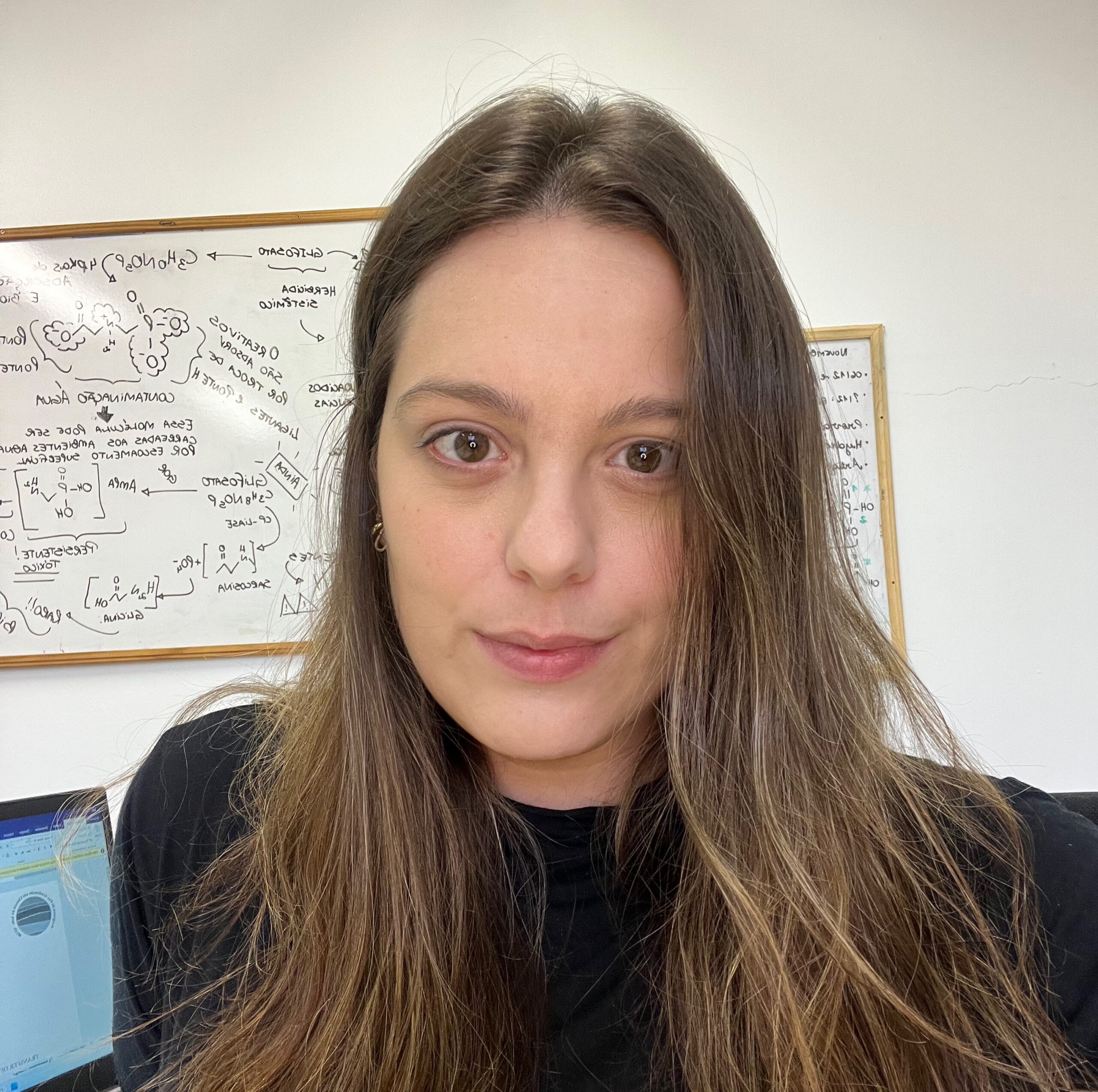
Bruna VICENTE
UFSM
Brazil
Master students
Paula MOREIRA
UdelaR
Uruguay