Main research objectives
The ongoing occurrence of land use and climate change leads to increased soil erosion worldwide, affecting ecosystem services and human well-being. Land and water degradation resulting from these changes are particularly rapid and severe in many regions of South America where natural ecosystems are being rapidly replaced with intensive cropland and forest plantations. While the worlds’ attention is being directed towards the situation occurring in emblematic ecosystems such as the Amazon, CELESTE Lab investigates the degradation of soil and water resources in the relatively understudied Southern Cone region (Southern Brazil, Uruguay, Northern Argentina) where intensive crops and plantations are being installed at the expense of the biodiversity-rich Pampa and Atlantic Forest Biomes.

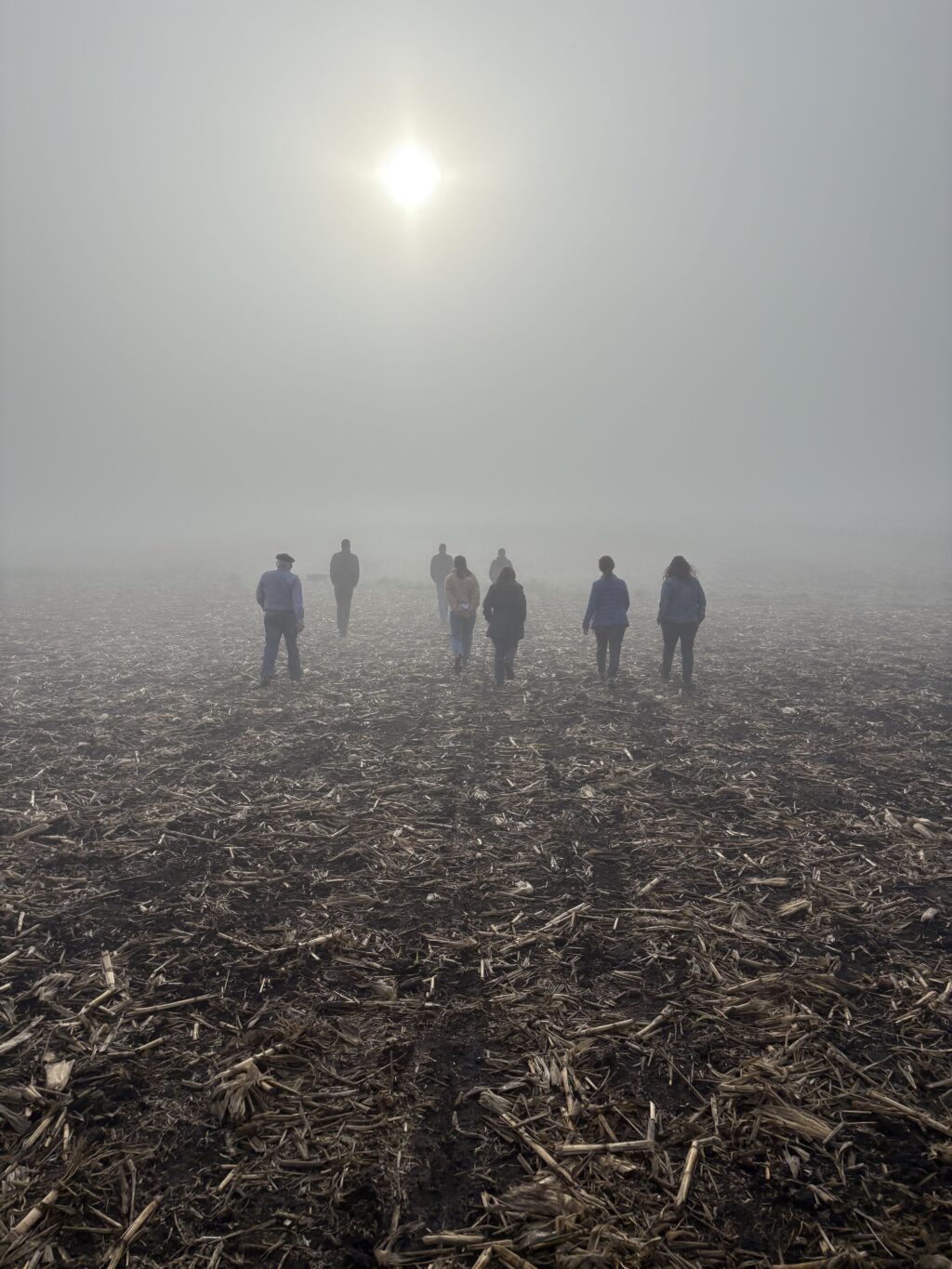
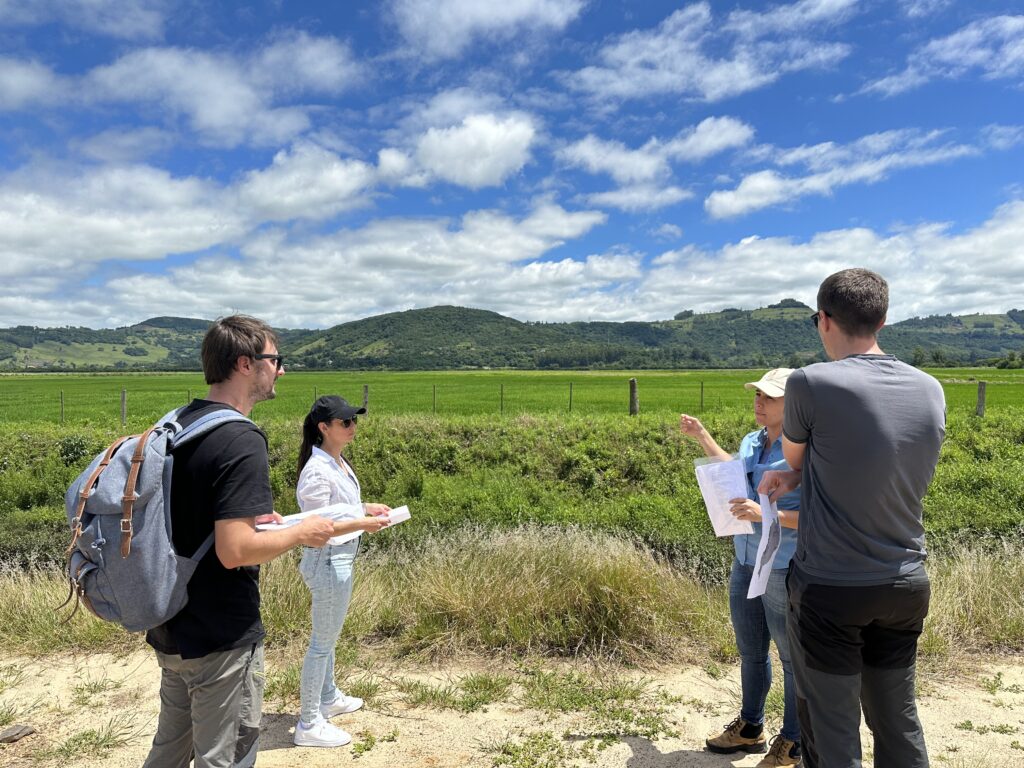
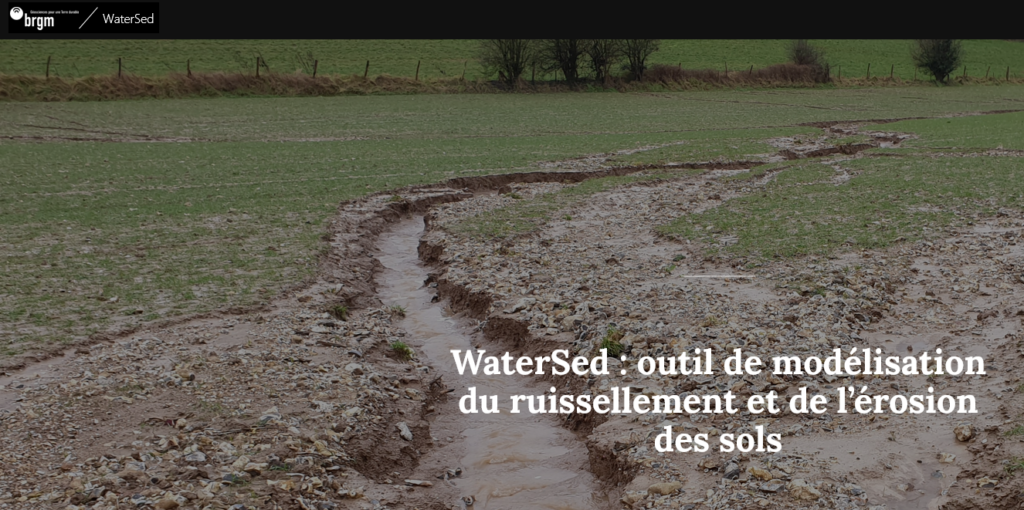
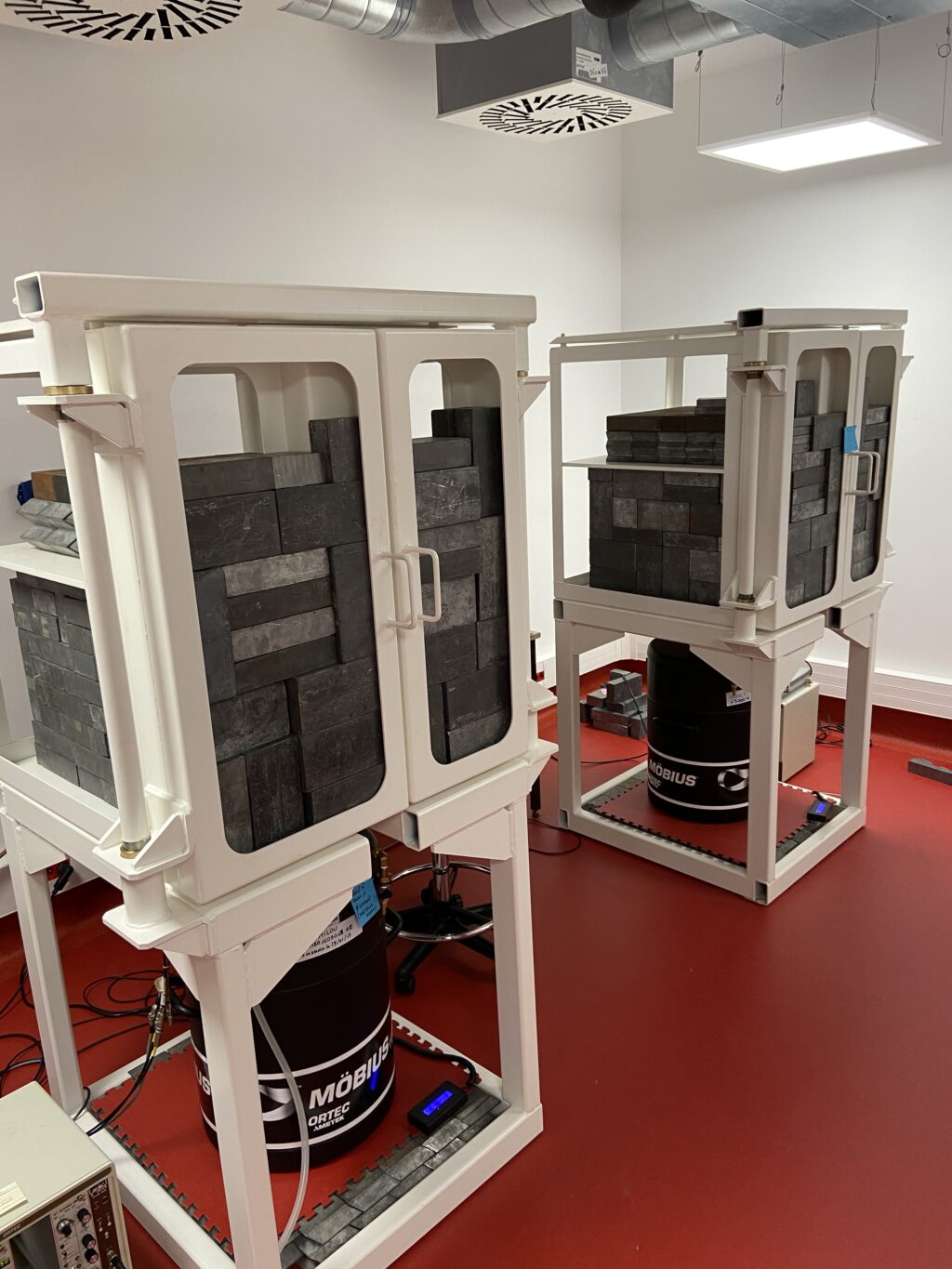
Based on a network of catchments monitored by the Brazilian and Uruguayan partners, a unique panel of techniques (field monitoring, sediment multi-proxy dating, and tracing, computer modelling) will be deployed and combined to quantify spatial and temporal variations of water/sediment/contaminant fluxes in rivers draining these unique ecosystems. The main objectives of CELESTE Lab are to advance these techniques at the best worldwide level, to train the next generation of young researchers and to design effective landscape management solutions through interactions with stakeholders.
Our monitoring sites
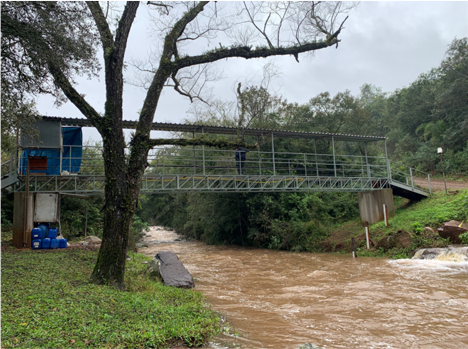
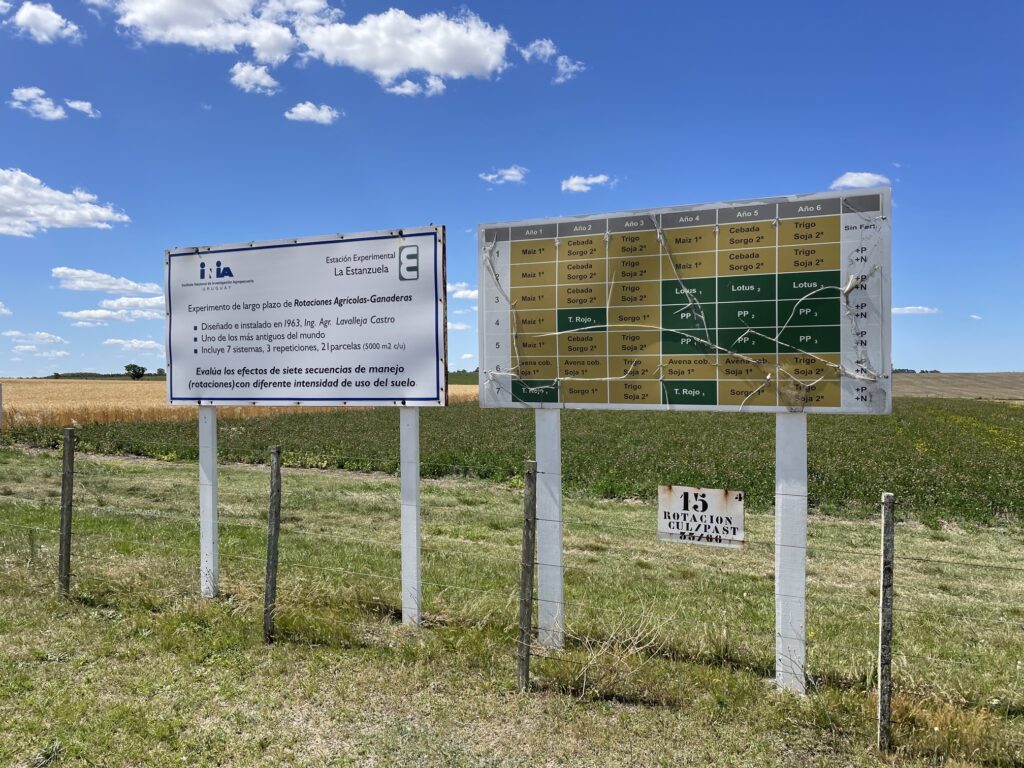
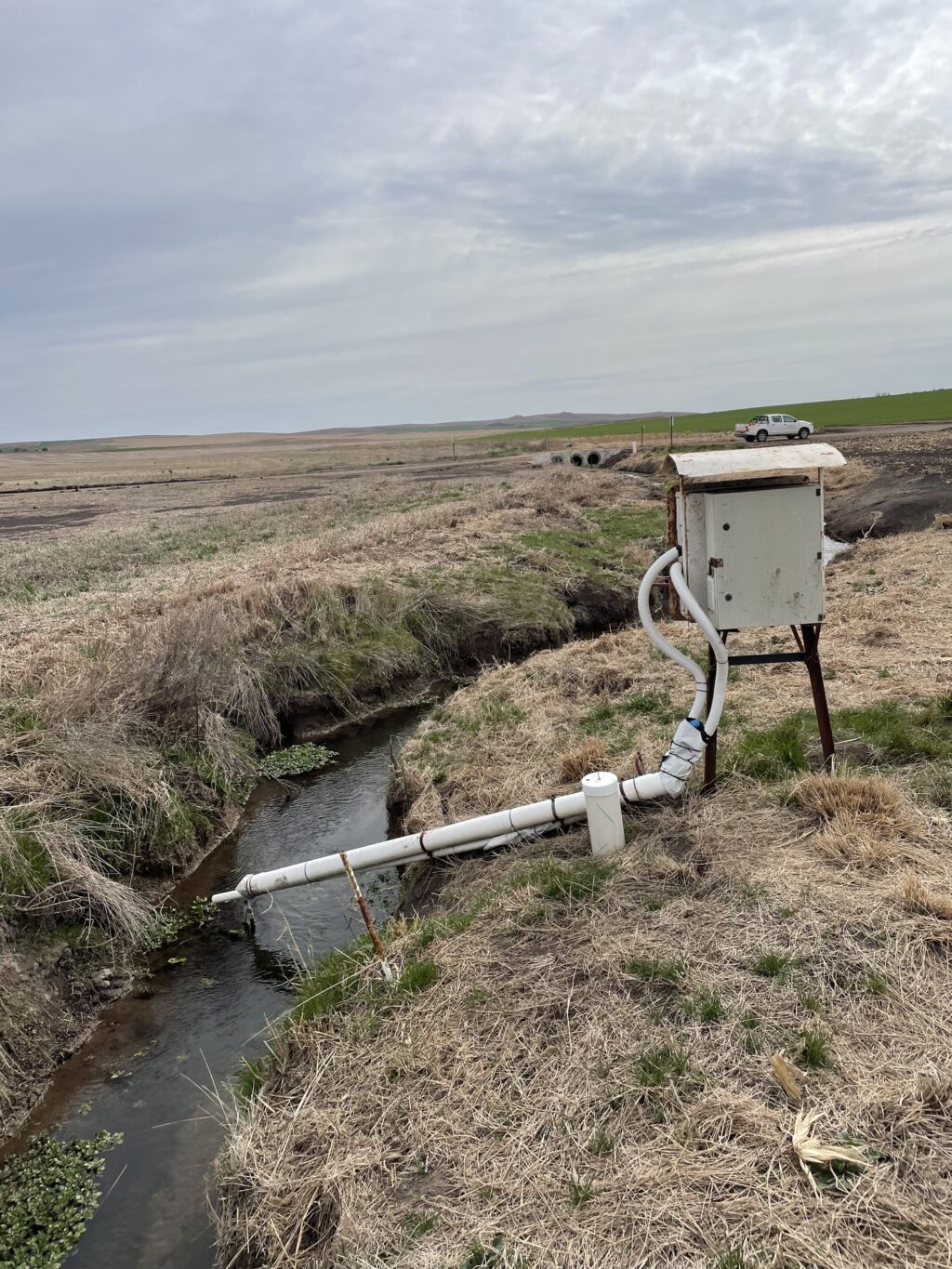
Azul (Argentina)
Our research tools
The funded projects
2024-2025 – Project funded by the Climat AmSud regional scientific programme (23-MATH-01)
2024-2026 – Impacts of soil erosion and deposition on soil carbon secuestration:retrospective assessment based on 137Cs, 210Pb and organic carbon on the oldest long-term experiment of Latin America – Project funded by the Fondo María Viñas /ANII (Uruguay)
2024-2025 – Dinámica hidrológica y procesos erosivos en humedales de cabecera de cuenca agropecuaria /Fondos Complementarios para la Investigación con impacto en el territorio argentino (Argentina)- PI: Guadalupe Ares (CONICET)
Subsidios para Profesores Visitantes del Exterior /Programa Ciencia Fundación Williams 2024 (Argentina)
Main joint activities
December 2024
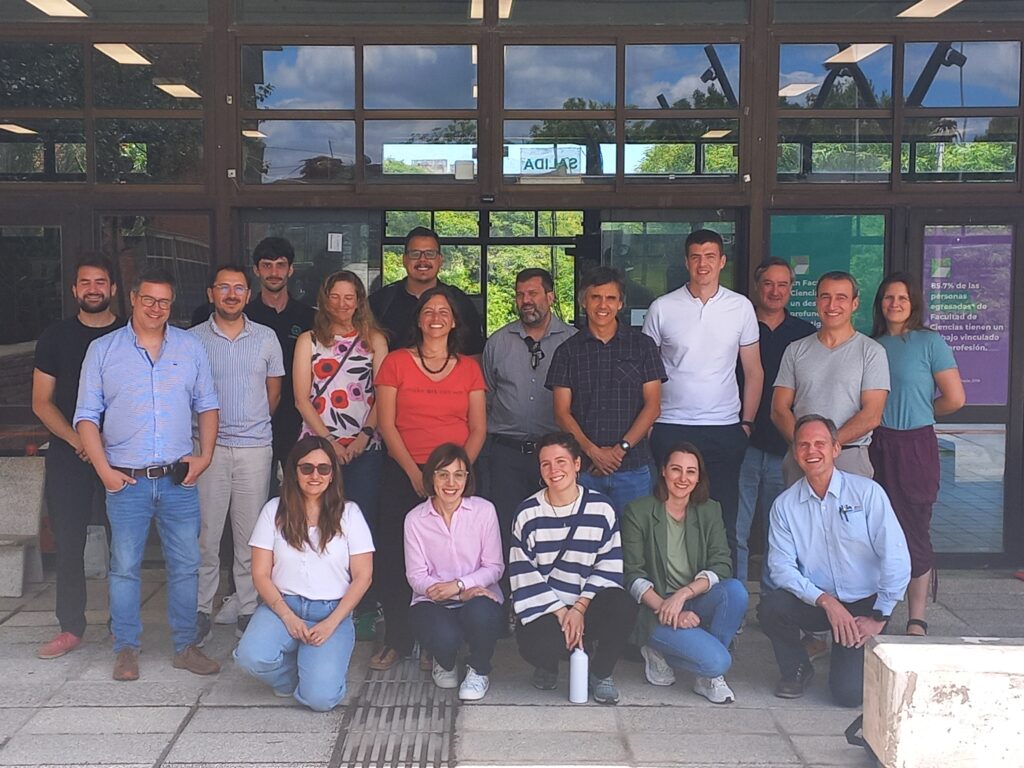
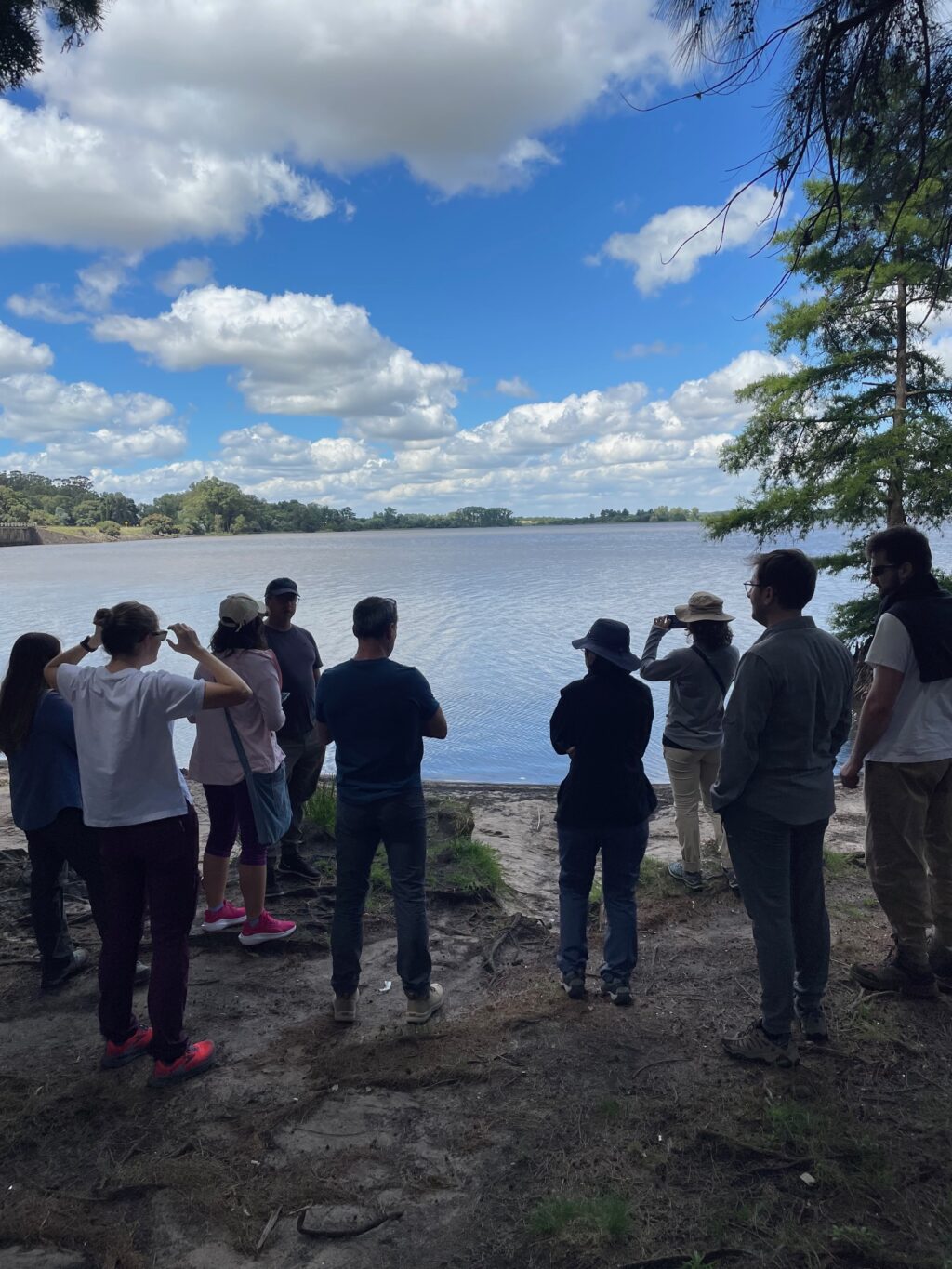
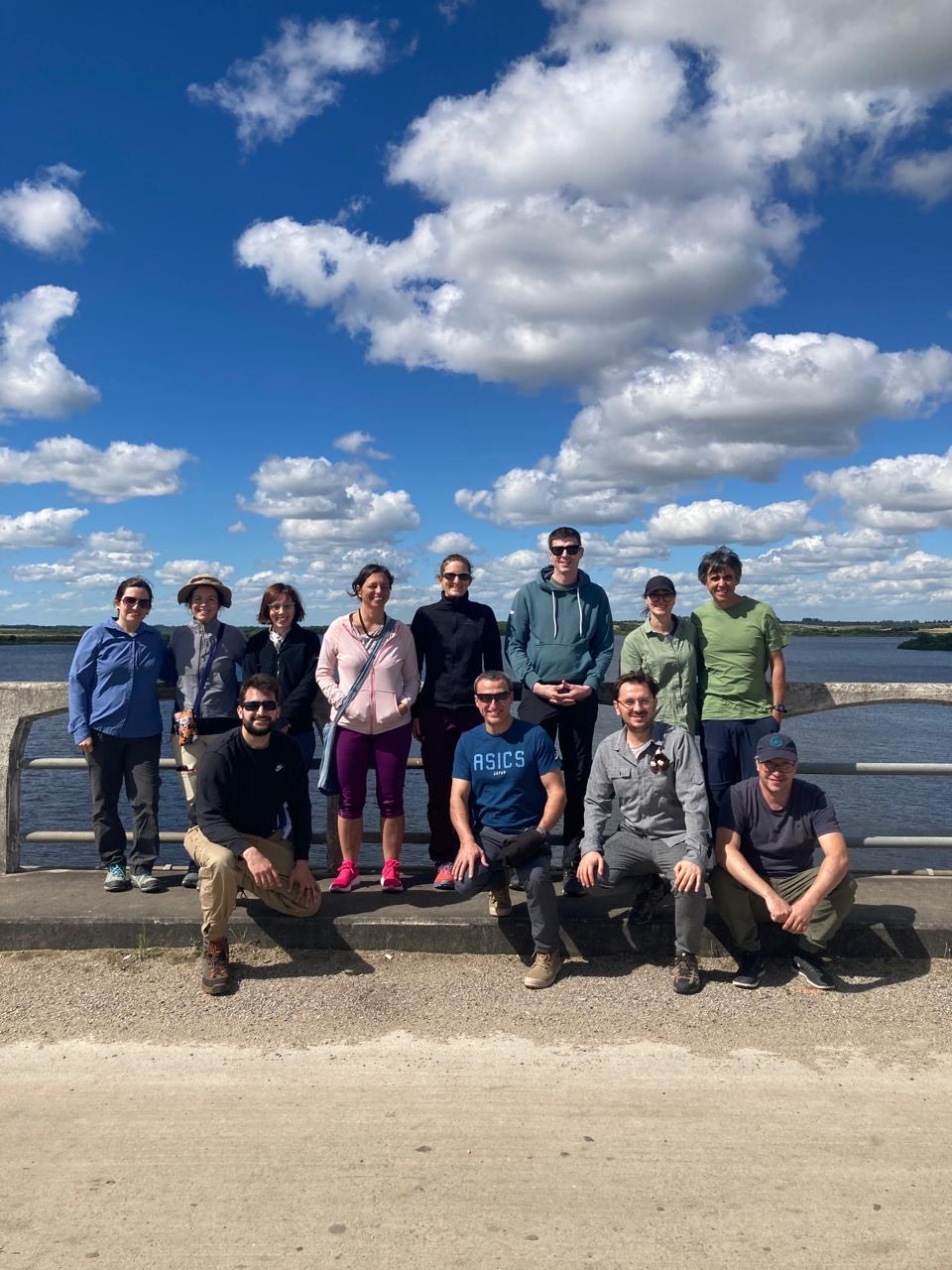
In December 2024, the first CELESTE Lab event was organised at the Universidad de la República (Uruguay) and included a field visit, a scientific workshop and training/exchange sessions.
July 2025
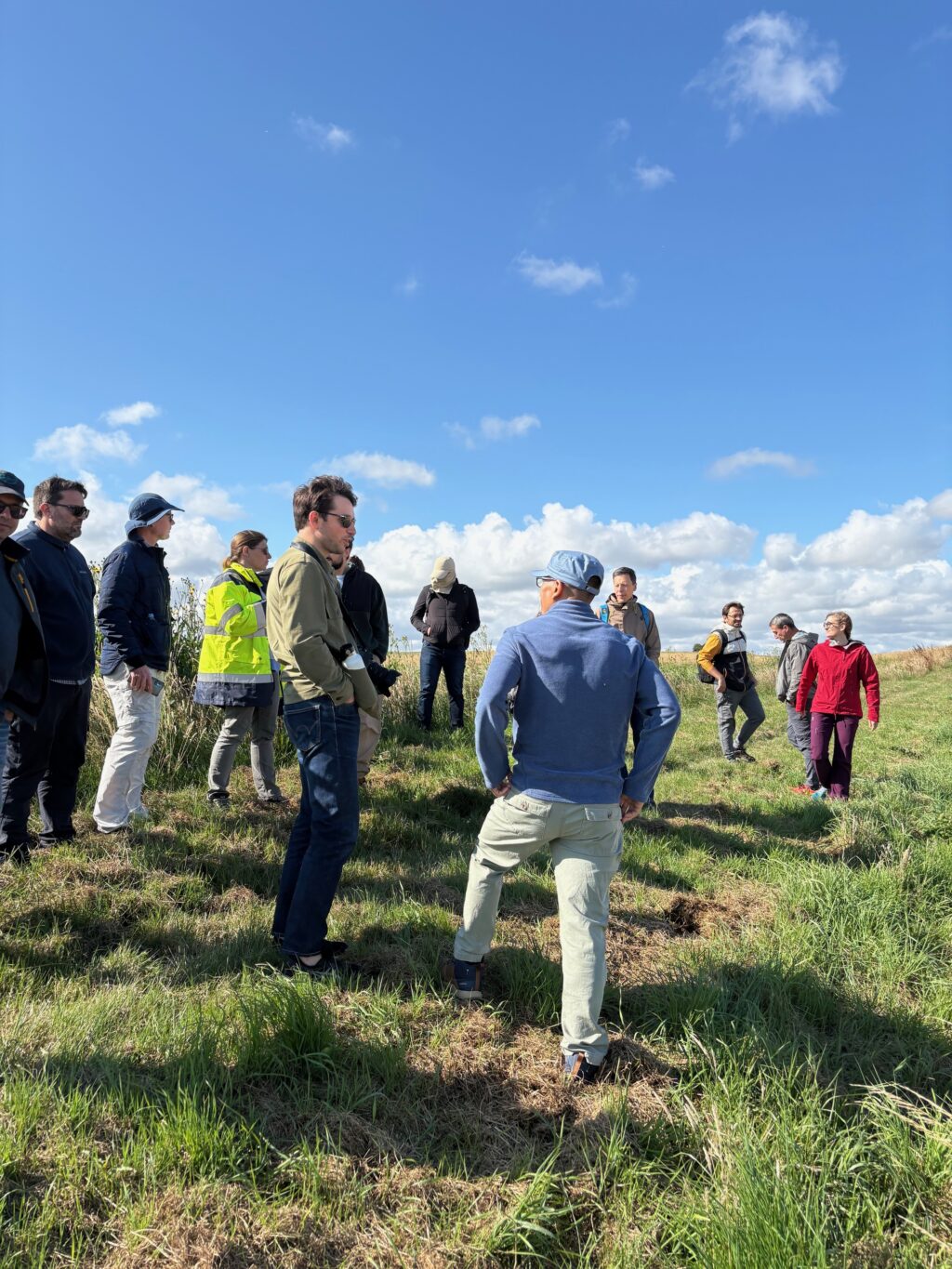
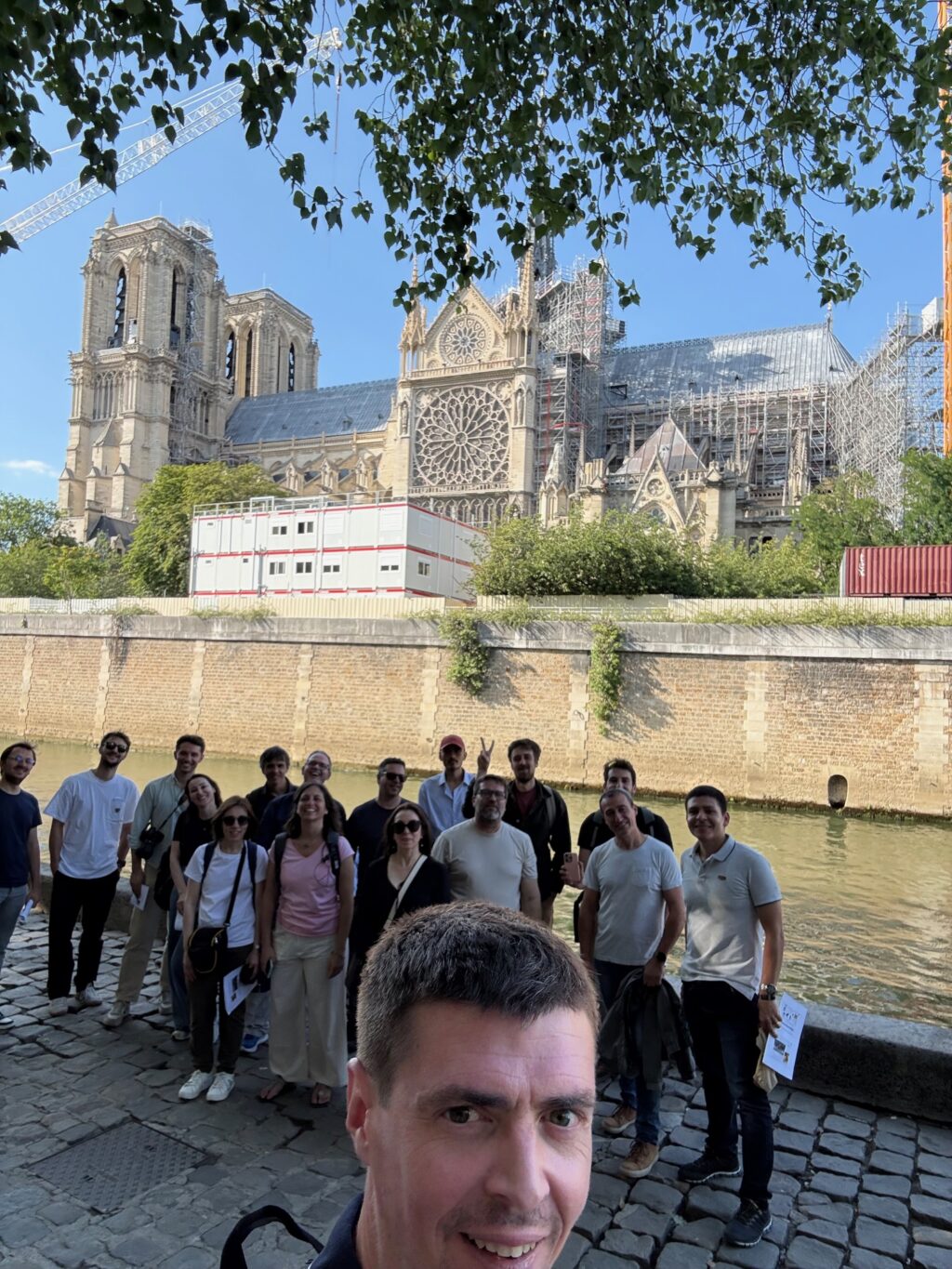
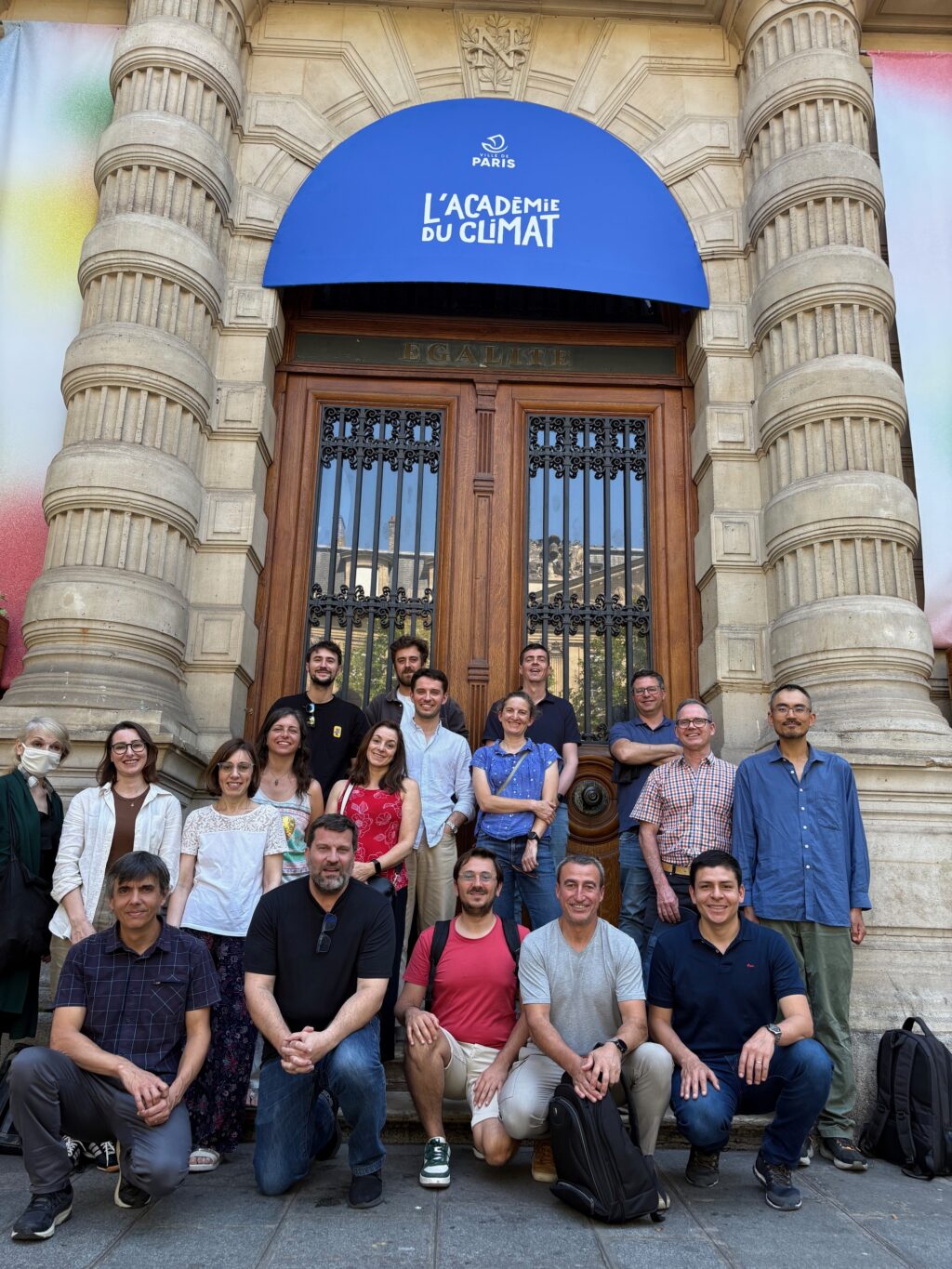
In July 2025, the CELESTE Days were organised in France and included a field tour of erosion control measures in Normandy, a field visit related to the environmental impact of Notre-Dame Cathedral Fire in Paris, and a scientific workshop at the Académie du Climat in Paris.
September 2025
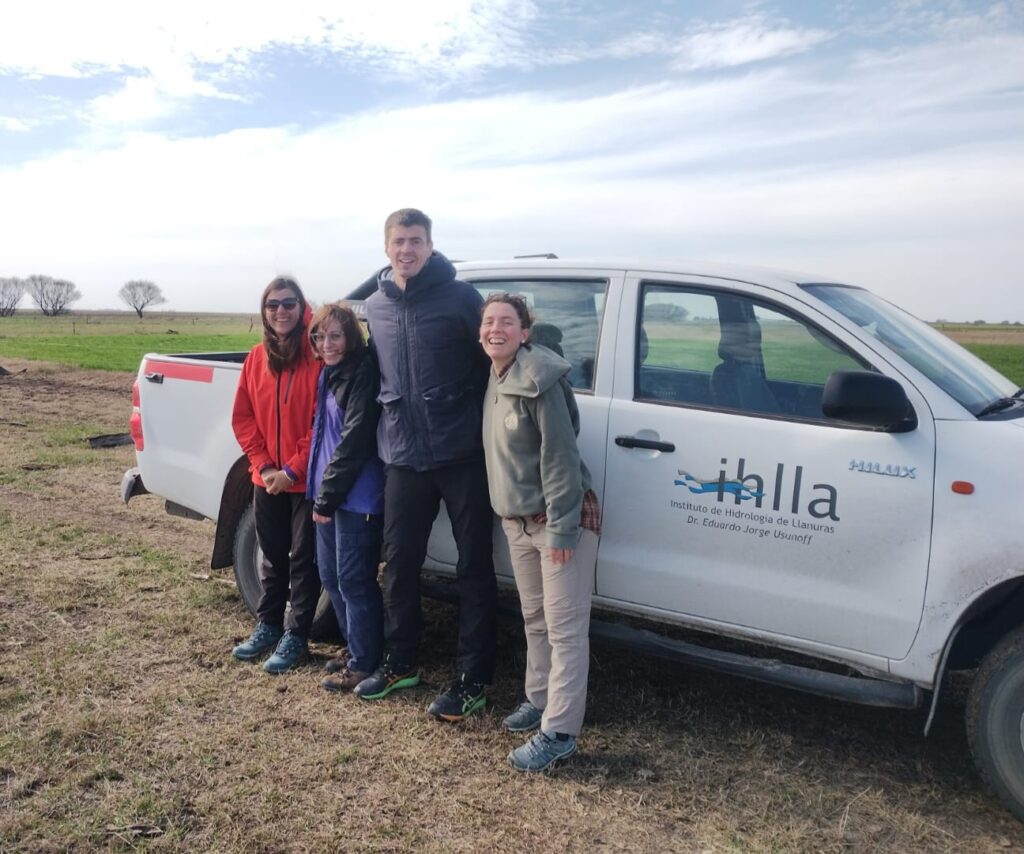
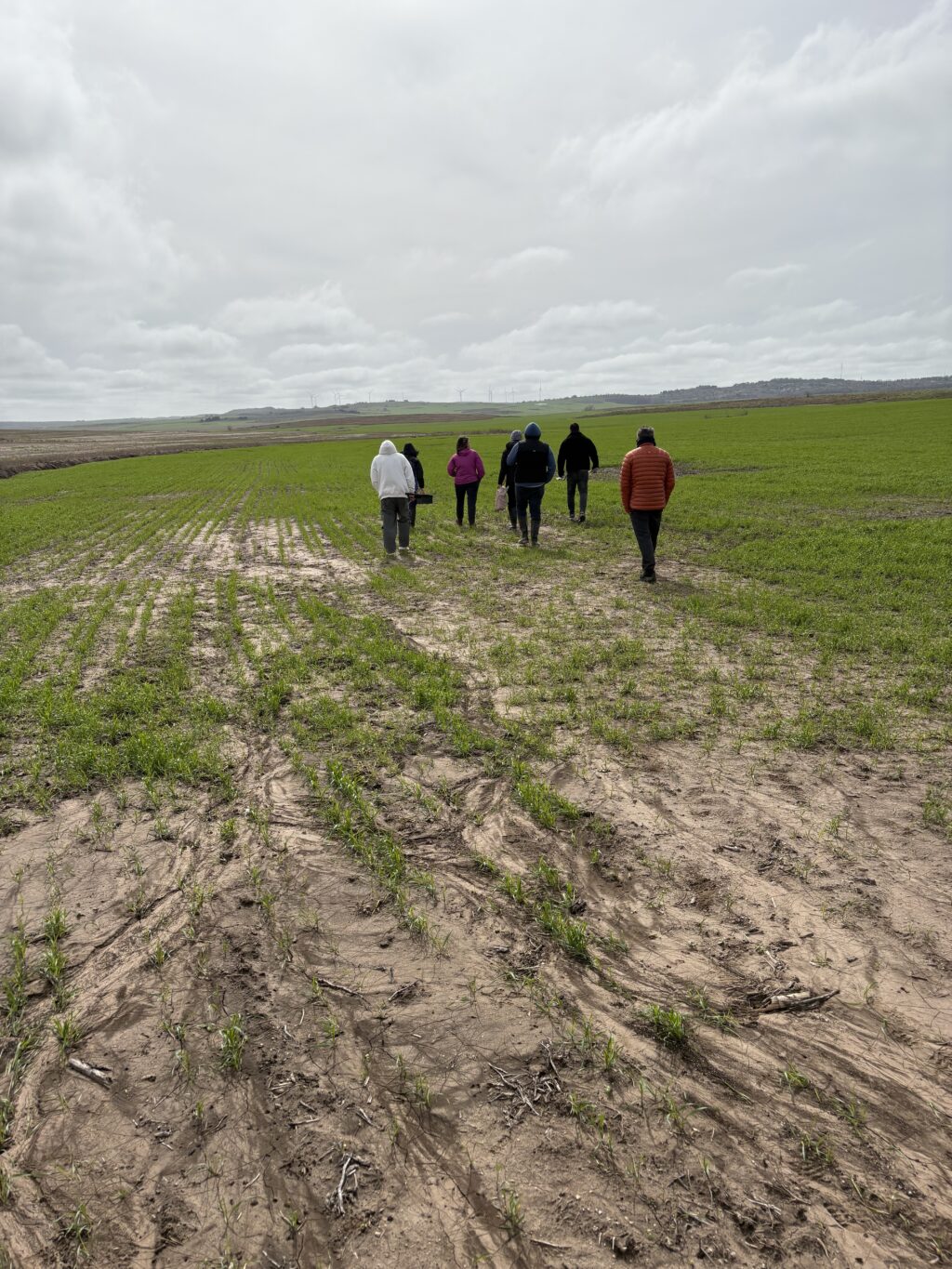
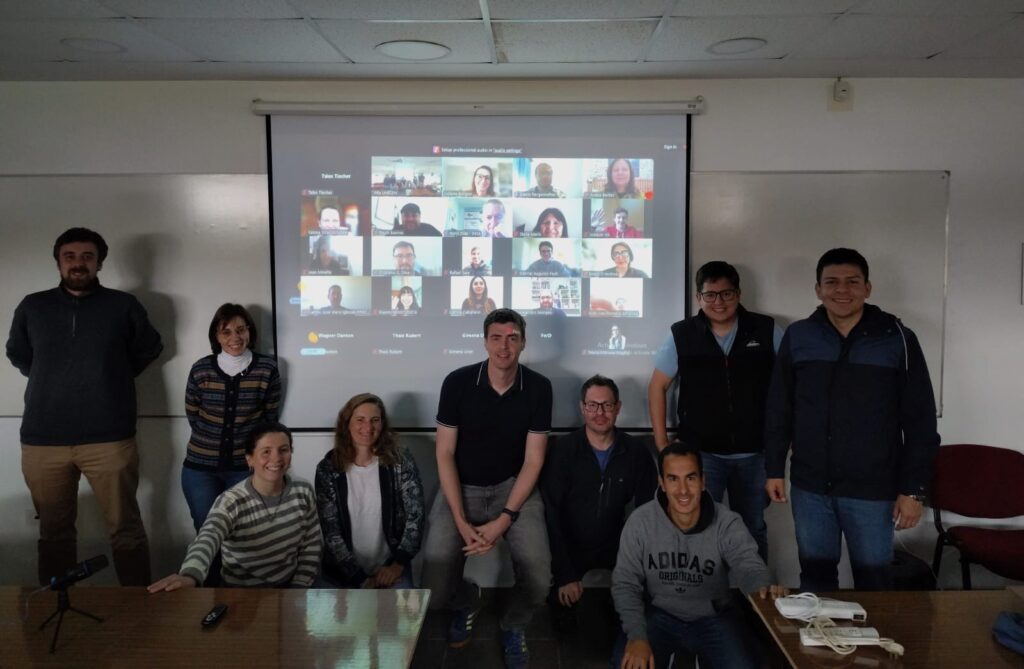
In September 2025, a one-week thematic school supported by the Williams Foundation was organised at the Institute of Plain Hydrology in Azul (Buenos Aires Province, Argentina) to train students and researchers for techniques in soil erosion monitoring, modelling and sediment fingerprinting.
September 2026
The CELESTE Lab members will take the opportunity of the organisation of the VI Seminar on Catchment Monitoring and Assessment of the Southern Cone and the V Forum of Geo-Bio-Hydrology, which will take place from September 10 to 13, 2026, in Santa Maria, Rio Grande do Sul, Brazil, to meet together with the colleagues. These events will be followed by the organisation of the meeting of the Southern Brazil Soil Science Society from September 13 to 15, 2026.